Speaking of plants, let’s drink some…

Drunken-Botanist-high-resI think plants are just on my mind this week, seeing as it’s early spring and all. I spotted my first crocuses today when I was at a meeting up in Wiscasset today and I gave a tiny shout. My co-worker thought I dropped my coffee, but I was really just excited about FINALLY seeing a little flora in Maine.

I’m rambling a bit, and it’s probably because I’ve had a few glasses of wine, and while that didn’t exactly inspire me to post about Amy Stewart’s very cool sounding book, it does seem fitting, right? As I type this, I’m sipping at my own glass of alcohol and contemplating the grapes that made it, and all the many fruits and leaves and grains that go into a truly fantastic cocktail. In The Drunken Botanist, Stewart chronicles the vast variety of plant life that has been transformed by our greedy hands into creative libations and delicious intoxications.

Oh, and because I can’t not mention this fact, it’s a beautiful book with truly awesome typography. I should probably buy it for my boyfriend, who could frequently be described as a drunken botanist (when he’s not busy being a “mad scientist”).

Learn more here.

Papercuts for The Bard.

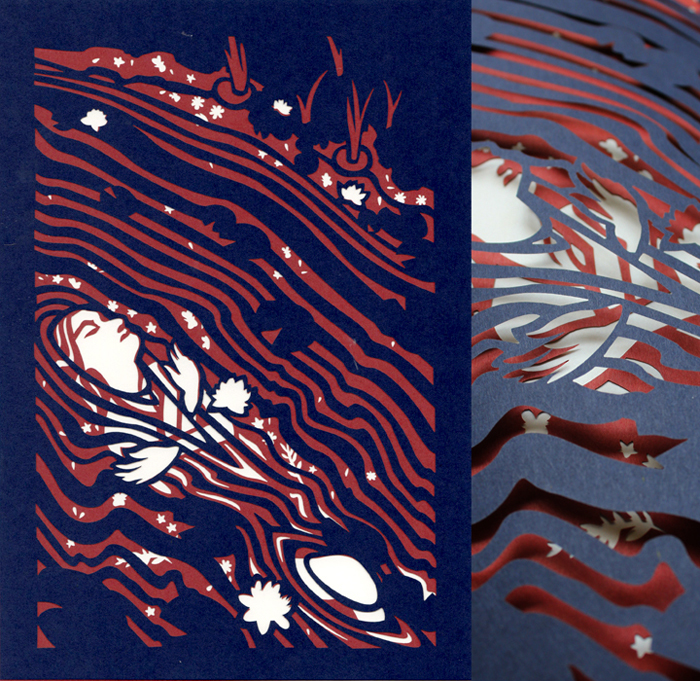
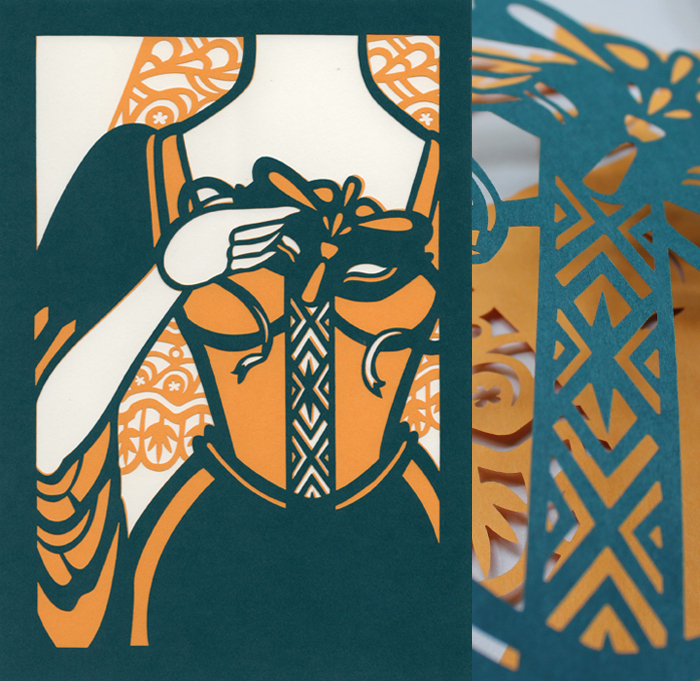
romeoandjuliet_kevinstanton9Some people say that print is dead, but I’m not buying it—probably because I am buying books, and so are plenty of other bibliophiles. However, I do think publishing is changing, and one way I can see it adapting to the digitization of the writer word is through making books that aren’t disposable, that aren’t simply a collection of characters, but rather objects worth owning (and collecting). Plenty of publishers, both the big guys and the indie players, are releasing special edition copies of the classics that are straight up gorgeous. I’ve written about my adoration for the Barnes & Noble collaboration with typographer and artist Jessica Hische a few times before (enough that my mom took note, and bought me a box set for Christmas last year), but today I came across a new object of literary lust: Sterling Publishing’s Shakespeare collection, as illustrated by papercutting genius Kevin Stanton.

hamlet papercutJust look at Ophelia! It’s lovely and bold and sharp and fluid all at once. From what I can tell, the books have different color palates, from Hamlet‘s dramatic navy and red to the vibrant yellows of Much Ado About Nothing. If funds weren’t an issue, I would buy them all right now—especially Hamlet, because I’ve always had a soft spot for that faker.

Stanton_MA9Check out more of Stanton’s work here.

Read books, drink wine.

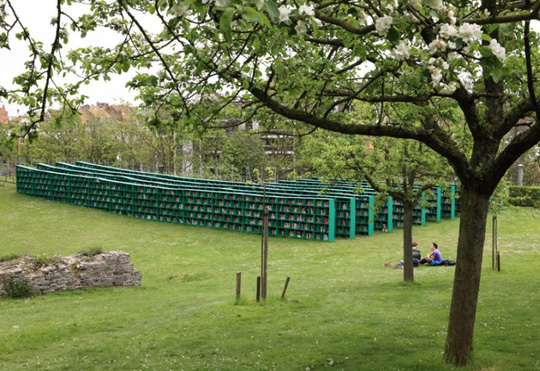
Bookyard-1Ghent is already on my travel lust list, but when I heard about the pop-up library located in a vineyard… well, let’s just say it jumped a few notches. In the immortal words of Liz Lemon, “I want to go to there.” Books and wine? What a lovely idea.

But even more lovely is the entire pop-up library concept. I’ve blogged before about mini-libraries, where books are made free to the public in microspaces like phone booths or bus stops, but a writer at GOOD has rounded up four great projects from around the world, from Israel’s outdoor information sharing program for refugees to Mexico’s free traveling library. More good stuff here.

Logophilia.

As a professional blogger/punner/wordsmith, I spend a lot of time thinking about words. At work, I sit around thinking up pithy prologues and alliterative titles; I think I have an entire section of my brain devoted to the many ways to allude to alcohol. Sometimes I get tired of it, but for the most part, I’m pretty thrilled I get to practice word play all day, every day.

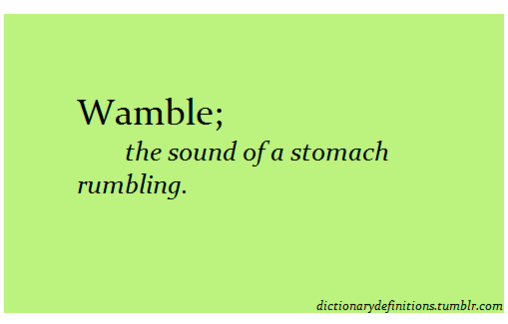
Given that introduction, I don’t think I have to explain why I love this blog: Extraordinary Words. So far, I’ve learned words like wamble, logorrhea, and zenzizenzizenzic. Some of the words are obsolete, but all of them are awesome. Czech it out.

Best Poster Ever.

I love this poster so much. Narnia has had such a huge influence on my literary tastes (I know the entire series practically by heart), so when I saw these literary images on Pinterest, I gasped out loud. They’re really beautiful and witty.

Travel destinations for literary destinations from cedarMyna on Etsy.

Dealer’s choice.

When I was in elementary school, I went through a pretty intense Wiccan period. It started with the book Wise Child by Monica Furlong, which is, to this day still one of my all time favorite novels. I adored the description of the dorans, these people who lived in harmony with nature, gaining power and wisdom from the land. I wanted to be like Juniper, Wise Child’s mentor and guardian. She was kind and brave. She was very powerful, but most importantly, she was a complete aesthete. Rereading it recently, I still wish I was more like Juniper—even though she is a fictional character in a children’s book, she still has a lot to teach me.

As I’ve gotten older, my obsession with fantasy has changed. There’s still a Mists of Avalon-esque hippy factor, but now I’m also really fascinated by the darker side of magic, the occult and the eerie and the ghostly and the strange. In college, I wrote my thesis on ghosts in American literature and I’ve never stopped reading (or writing) about horror movies. And that’s why these amazing Zombie Tarot Cards are right up my (creepy, abandoned) alley.

They’re campy and hilarious and wonderful. Made by Headcase Design and Quirk Books, they would be a super Christmas present for that zombie fiend nephew of yours (or, you know, me).

More here.

Guys & Dolls.

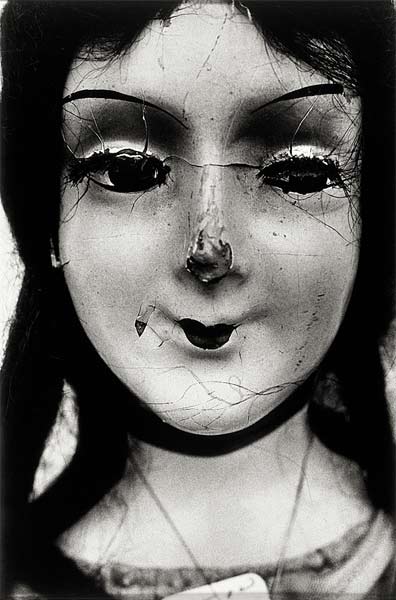
Just in time for Halloween: Creepy doll images by American photographer Rosalind Solomon. I first found these images from this post, on “Strange Dolls & Dummies.” The picture was so eerie, so morbid and awesome that I started researching Solomon. Her photographs remind me a little of Cindy Sherman’s dismembered mannequin pictures, but you can tell Solomon’s are older, more decrepit and somehow more child-like. Of course, that’s probably what makes them so creepy. As I’ve learned from numerous horror movies, nothing is scarier than a precocious, possessed child.

On a similar note, I’m currently reading Duma Key by Stephen King and it is so great. It’s so great! I never really read any Stephen King until about a year ago (I think I thought I was too literary for it, or something idiotic and snobby like that) but now that I’ve started reading his books… I just can’t stop. I’ll always love Melville and the Brontë sisters and all that jazz, but I’m starting to think King is a genius in his own way. Maybe it’s not beautiful prose all the time, but damn, I wish I could had this much creativity in my head.

Prolix Pictures.

I used to hate alliteration. I thought, just because it’s simple, it was a lesser form of wordplay. Not so! When done well, alliteration can make a sentence sing; it can make words pop off the page and make music out of their syllables (these are bad examples, but it’s almost impossible not to get carried away. You try writing about writing, and see what happens).

There are plenty of authors that have made me change my mind, but more recently, io9 showcased the work of Nathan O. Marsh’s series Alphabet Apocrypha. For every letter, Marsh creates intricate illustrations following a set theme. Some are simple—m is maps, is the jumping jackalope—but others are far more complicated. A few are almost a storybook unto themselves. As a whole, the project is very reminiscent of Edward Gorey, from the twisty, spindly little sketches to the alphabetical material. There’s also a touch of Hieronymus Bosch and a hint of M.C. Escher—which, now that I think about it, isn’t a bad way to describe either Gorey or Marsh.

So far, Nathan has made it to letter Q. He’s posting new illustrations all the time, which are only getting better as he gets further along. Naturally, I really like the entry for K (though L is truly my favorite).

More here.

Two Nice Things.

1. I’ve expressed before my love for Roald Dahl. As a kid, I always loved his children’s books, but it wasn’t until I was older that I really started appreciating his amazing sense of humor. His stories for adults are darkly hilarious, and his memoirs walk the line easily between making light of minor horrors (like being caned at the hands of a sadistic school master) to expressing real excitement and sorrow at huge life changes (including the death of a family member and his very first—very exotic—job overseas). The guy lives a fascinating life.

Anyway, I’m loving these papercuts by artist Jayme McGowan. Featured on the Etsy Blog, they’re such a whimsical tribute to the author. My favorite? The misunderstood bookworm Matilda, of course.

Continue reading

Like in her earlier collection of short stories St. Lucy’s Home For Girls Raised By Wolves, Russell imbues Swamplandia! with a healthy dose of magical realism, turning the decaying matter of the Florida swamps into a lush visual wonderland. In fact, it’s Russell’s writing that really elevates the book. If, as an English teacher once told me, Fitzgerald was famous for writing the perfect sentence, Russell should come in at a close second. Her descriptions are literary and visceral at once, as though she were drawing from a wonderfully rich case of synesthesia. “Convection caused your thoughts to develop an alarming blue tinge,” she writes of stage fright. “I had pictured the birds’ strident calls trembling through the air and dying, and then all of the sudden those same cries taking on a coloring—red, black, blue—until what had previously been an empty hissing splintered into a hundred separate dramas: males squabbling over carrion, a lover’s quarrel, a chick and its four siblings protesting their hunger.”

Why yes, I did just quote myself. Yeah, that’s a little weird. But I wrote a review of Swamplandia! for Literary Traveler and I would like everyone in the world to read it! If you are so inclined, you can do so here.